การเลิกใช้งานคืออัตราที่ลูกค้าหยุดใช้ผลิตภัณฑ์หรือบริการของคุณ.
พูดง่ายๆ คือ: มันแสดงให้เห็นว่าผู้คนออกจากไปเร็วแค่ไหน หากลูกค้าออกไปเร็วกว่าอัตราที่คุณสามารถทดแทนได้ ธุรกิจจะค่อยๆ สูญเสียไป แม้ว่าการขายจะดูดีในเอกสาร.
สำหรับผู้ประกอบการดิจิทัล การสูญเสียลูกค้าไม่ใช่แค่ตัวชี้วัด แต่มันคือสัญญาณ มันบอกคุณได้ว่าผู้คนได้รับคุณค่าจริง ๆ หลังจากการคลิกครั้งแรก การฝากเงิน หรือการเข้าสู่ระบบหรือไม่
Churn คืออะไร? คำอธิบายแบบง่ายๆ
Churn ตอบคำถามง่ายๆ ข้อหนึ่ง:
คุณสูญเสียลูกค้าไปกี่รายในช่วงเวลาหนึ่ง?
สูตรที่พบบ่อยที่สุดมีลักษณะดังนี้: ลูกค้าที่สูญเสีย ÷ ลูกค้าในช่วงเริ่มต้นของระยะเวลา
ตัวอย่าง:
- คุณเริ่มต้นเดือนด้วยผู้ใช้ 1,000 คน
- 60 หยุดใช้แพลตฟอร์ม
- การเลิกใช้รายเดือน = 6%
แค่นั้นแหละ ไม่มีความลับ แต่มีรายละเอียดสำคัญที่ผู้ก่อตั้งหลายคนมักมองข้าม
คุณสามารถวัดอัตราการเลิกใช้งานใน ผู้ใช้ หรือใน เงิน。
- การสูญเสียลูกค้า: มีคนจำนวนเท่าไหร่ที่ออกไป
- การสูญเสียรายได้: รายได้ที่เกิดขึ้นซ้ำๆ ที่หายไป
ในโมเดลการสมัครสมาชิกและโบรกเกอร์ส่วนใหญ่, การสูญเสียรายได้มีความสำคัญมากกว่า. การสูญเสียบัญชีขนาดใหญ่หนึ่งบัญชีอาจทำให้เจ็บปวดมากกว่าการสูญเสียบัญชีขนาดเล็กสิบบัญชี.
คุณอาจจะสนใจ

Vitaly Makarenko
12 พฤศจิกายน 2025
ทำไมการเลิกใช้บริการถึงสำคัญกว่าที่คุณคิด
การเลิกใช้บริการส่งผลกระทบทุกอย่างอย่างเงียบๆ:
- ค่าชีวิตตลอดช่วงเวลา (LTV)
- ประสิทธิภาพการตลาด
- ระยะเวลาคืนทุนจากโฆษณา
- ความสามารถในการคาดการณ์กระแสเงินสด
- การประเมินมูลค่าบริษัท
นี่คือความจริงที่โหดร้าย: หากการเลิกใช้สูง การเติบโตเป็นเรื่องปลอม.
คุณกำลังเติมน้ำในถังที่มีรูอยู่ที่ก้นอย่างต่อเนื่อง。
ผู้ประกอบการดิจิทัลหลายคนหมกมุ่นอยู่กับการได้มาซึ่งลูกค้า โฆษณา, ช่องทาง, สร้างสรรค์ ในขณะเดียวกันผู้ใช้กลับหนีไปหลังจากสัปดาห์แรก
การแก้ไขการเลิกใช้บริการมักจะดีกว่าการขยายการเข้าชมเสมอ ทุกครั้ง.
ประเภทหลักของการเลิกใช้ที่คุณควรเข้าใจ
การเลิกใช้งานโดยสมัครใจ vs. การเลิกใช้งานโดยไม่สมัครใจ
- การเลิกใช้งานโดยสมัครใจ: ผู้ใช้ตัดสินใจที่จะออก
- การเลิกใช้โดยไม่สมัครใจ: สาเหตุทางเทคนิค (การชำระเงินล้มเหลว, บัตรที่ถูกบล็อก, ปัญหาการปฏิบัติตาม)
ในหลายธุรกิจ, 10–30% ของการเลิกใช้บริการเป็นการเลิกใช้บริการที่ไม่สมัครใจ ซึ่งสามารถแก้ไขได้ด้วยระบบที่ดีกว่า.
การสูญเสียรวมเทียบกับการสูญเสียสุทธิ
- การสูญเสียรวม: ผู้ใช้หรือรายได้ที่สูญหายทั้งหมด
- Net churn: การสูญเสียลบกับการขยายจากผู้ใช้ที่มีอยู่
แพลตฟอร์มที่แข็งแกร่งมุ่งหวังที่จะมี อัตราการเลิกใช้บริการรวมต่ำ และในอุดมคติ อัตราการเลิกใช้บริการสุทธิเป็นลบ ซึ่งการอัปเกรดมีมากกว่าการสูญเสีย.
การเลิกใช้บริการแต่เนิ่นๆ กับการเลิกใช้บริการในภายหลัง
ความแตกต่างนี้มีความสำคัญมาก
- การเลิกใช้งานในช่วงต้น เกิดขึ้นในวันหรือสัปดาห์แรก
- การเลิกใช้งานในภายหลัง เกิดขึ้นหลังจากใช้งานไปหลายเดือน
การเลิกใช้งานในช่วงแรกมักจะเป็นความล้มเหลวในการเริ่มต้นใช้งาน.
อัตราการเลิกใช้ที่ “ดี” คืออะไร?
ไม่มีหมายเลขสากล แต่มีรูปแบบที่มีอยู่
| รูปแบบธุรกิจ | อัตราการเลิกใช้บริการรายเดือนทั่วไป |
| B2B SaaS | 1–3% |
| B2C SaaS | 3–7% |
| แพลตฟอร์มโบรกเกอร์ค้าปลีก | 4–10% |
| ผลิตภัณฑ์การซื้อขายที่มีความเสี่ยงสูง | 8–15% |
แพลตฟอร์มโบรกเกอร์อยู่ในพื้นที่ที่ยากลำบาก.
เงินมีส่วนเกี่ยวข้อง อารมณ์มีส่วนเกี่ยวข้อง การสูญเสียเป็นสิ่งที่หลีกเลี่ยงไม่ได้
นั่นคือเหตุผลที่ การจัดการการเลิกใช้งานในตัวกลาง ไม่ใช่งานเสริม แต่มันคือโครงสร้างพื้นฐานหลัก。
วิธีการวิเคราะห์การสูญเสียลูกค้าอย่างถูกต้อง (ไม่ใช่แค่สูตร)
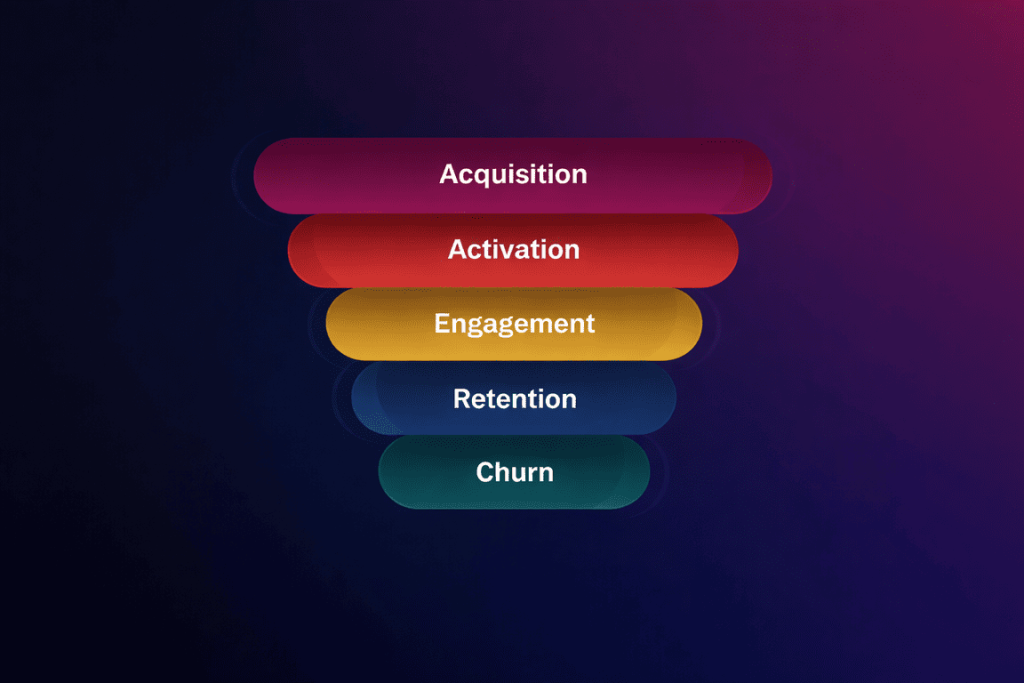
การวิเคราะห์กลุ่ม: หยุดมองที่ค่าเฉลี่ย
ค่าเฉลี่ยซ่อนปัญหา。
การวิเคราะห์กลุ่มผู้ใช้แบ่งกลุ่มผู้ใช้โดย:
- เดือนที่ลงทะเบียน
- ช่องทางการเข้าซื้อ
- ประเทศหรือข้อบังคับ
- ประเภทสินค้า
คุณอาจค้นพบว่า:
- ผู้ใช้จากการค้นหาที่ต้องชำระเงินมีอัตราการเลิกใช้บริการเร็วเป็นสองเท่า
- หนึ่งในเวอร์ชันการนำเข้าสู่ระบบทำได้แย่มาก
- บางภูมิภาคออกเดินทางก่อนภูมิภาคอื่น
นี่คือที่ที่ข้อมูลเชิงลึกที่แท้จริงปรากฏขึ้น.
สัญญาณพฤติกรรมก่อนการเลิกใช้
การเลิกใช้บริการเกิดขึ้นได้ยากในชั่วข้ามคืน.
มีสัญญาณเตือน:
- การเข้าสู่ระบบมีความถี่น้อยลง
- การซื้อขายหรือการดำเนินการช้าลง
- หยุดข้อความสนับสนุน
- อีเมลไม่ได้เปิดอ่าน
เมื่อผู้ใช้ “เลิกใช้” การตัดสินใจมักจะถูกทำขึ้นหลายสัปดาห์ก่อนหน้านั้น
แพลตฟอร์มที่ดีไม่รอการยกเลิก.
พวกเขาจะดำเนินการเมื่อพฤติกรรมเปลี่ยนแปลง.
ความจริงในระดับเซกเมนต์
การเลิกใช้บริการไม่สม่ำเสมอ
บ่อยครั้ง:
- ผู้เริ่มต้นหมุนเวียนเร็ว
- ผู้ใช้ระดับกลางอยู่ได้นานที่สุด
- ผู้ใช้ที่มีความเสี่ยงสูงจะเลิกใช้บริการอย่างรุนแรงหลังจากการขาดทุน
แบ่งกลุ่มผู้ใช้ตาม พฤติกรรม ไม่ใช่แค่ตามประชากรศาสตร์ นั่นคือที่ที่มีประโยชน์อยู่
ทำไมลูกค้าถึงออกจากบริการ (นอกเหนือจากที่เห็นได้ชัด)
ผู้คนชอบที่จะตำหนิ:
- ราคาทั้งหมด
- การแข่งขัน
- สภาพตลาด
นั่นมักจะไม่ใช่เหตุผลที่แท้จริง.
ในทางปฏิบัติ การเลิกใช้งานเกิดขึ้นเนื่องจากผู้ใช้:
- รู้สึกหลงทาง
- รู้สึกโง่
- รู้สึกโชคร้าย
- รู้สึกเหมือนไม่มีใครสนใจ
- รู้สึกเครียด
โดยเฉพาะในผลิตภัณฑ์ทางการเงิน.
ผู้คนไม่ได้เลิกใช้บริการเพราะพวกเขาสูญเสียเงิน.
พวกเขาเลิกใช้บริการเพราะพวกเขาไม่เข้าใจ ทำไม พวกเขาถึงสูญเสียมัน.
แพลตฟอร์มโบรกเกอร์ป้องกันการสูญเสียลูกค้าในทางปฏิบัติอย่างไร
แพลตฟอร์มโบรกเกอร์ เผชิญกับปัญหาเฉพาะอย่างหนึ่ง.
การเลิกใช้บริการไม่ใช่แค่เหตุผลทางตรรกะ.
มันเกี่ยวข้องกับอารมณ์.
นี่คือวิธีที่แพลตฟอร์มที่แข็งแกร่งจัดการกับมัน.
7–14 วันแรกคือทุกสิ่ง
ผู้ใช้ส่วนใหญ่ที่เลิกใช้งานจะทำเช่นนั้นในช่วงต้น.
นายหน้าชั้นนำมุ่งเน้นอย่างมากที่:
- การเริ่มต้นใช้งานที่ง่าย
- ระบุขั้นตอนถัดไป
- การกระทำแรกที่รวดเร็ว
- การเปลี่ยนจากเดโมสู่ของจริงที่รู้สึกปลอดภัย
เป้าหมายไม่ใช่กำไร เป้าหมายคือความมั่นใจ หากผู้ใช้รอดชีวิตจากสองสัปดาห์แรก การรักษาผู้ใช้จะเพิ่มขึ้นอย่างมาก
คุณอาจสนใจ

Demetris Makrides
23 ตุลาคม 2025
การติดตามพฤติกรรมแบบเรียลไทม์
แพลตฟอร์มโบรกเกอร์สมัยใหม่ติดตาม:
- สตรีคชนะ/แพ้
- การเพิ่มความเสี่ยง
- ช่องว่างที่ไม่ทำกิจกรรมยาวนาน
- การเปลี่ยนแปลงพฤติกรรมที่ฉับพลัน
เมื่อรูปแบบเปลี่ยนแปลง ระบบจะตอบสนอง:
- การศึกษา
- คำเตือนความเสี่ยง
- การติดต่อผู้จัดการ
- การปรับกลยุทธ์
นี่ไม่ใช่การเฝ้าระวัง นี่คือการเข้าแทรกแซงตั้งแต่เนิ่นๆ
ความเห็นของผู้เชี่ยวชาญ #1
ในหลายแพลตฟอร์มโบรกเกอร์ที่ฉันเคยทำงานด้วย ตัวทำนายการเลิกใช้งานที่ใหญ่ที่สุดไม่ใช่การขาดทุน – แต่มันคือความเงียบ ผู้ใช้ที่หยุดมีปฏิสัมพันธ์ แม้จะชนะแล้ว ก็กระจายตัวเร็วกว่า those who complained.
ผู้จัดการบัญชีในฐานะผู้เชี่ยวชาญด้านการรักษาลูกค้า
ในธุรกิจนายหน้าหลายแห่ง ผู้จัดการบัญชีถูกเข้าใจผิด
งานจริงของพวกเขาไม่ได้อยู่ที่การผลักดันปริมาณ.
มันคือ:
- การอธิบายผลลัพธ์
- การจัดการความคาดหวัง
- ทำให้ปฏิกิริยาทางอารมณ์สงบลง
- การทำให้ผู้ใช้มีสติ
การสนทนาสั้นๆ ระหว่างมนุษย์หลังจากวันที่ ทำการซื้อขาย ที่ไม่ดีสามารถยืดอายุการเป็นลูกค้าออกไปได้เป็นเดือน.
การทำงานอัตโนมัติช่วยได้ มนุษย์ยังคงมีความสำคัญ.
แรงจูงใจที่สนับสนุนพฤติกรรม (ไม่ใช่การติดยา)
โบนัสอาจทำให้เกิดผลเสียหากใช้อย่างไม่ถูกต้อง
นายหน้าที่ชาญฉลาดใช้:
- รางวัลตามกิจกรรม
- การศึกษาเป็นกุญแจสำคัญ
- เครื่องมือบรรเทาการสูญเสีย
- ระดับความภักดี
จุดสนใจไม่ใช่ “ค้าขายมากขึ้น”。
แต่เป็น “ค้าขายอย่างชาญฉลาดและอยู่ได้นานขึ้น”。
การรักษาลูกค้าไว้สำคัญกว่าปริมาณระยะสั้น.
การศึกษาเป็นทรัพย์สินในการรักษา
การศึกษาเปลี่ยนแปลงเส้นโค้งการหมุนเวียน。
แพลตฟอร์มที่ลงทุนใน:
- สัมมนาออนไลน์
- คำอธิบายตลาด
- การวิเคราะห์กลยุทธ์
- การวิเคราะห์หลังการซื้อขาย
ดูผู้ใช้:
- รักษาความสงบ
- ค้าขายเป็นเวลานานขึ้น
- ลดการสูญเสียอารมณ์
การศึกษาเปลี่ยนความสับสนให้เป็นบริบท และบริบททำให้ผู้คนอยู่รอบๆ
ข้อมูลเชิงลึกจากผู้เชี่ยวชาญ #2
นายหน้าคนหนึ่งเห็นการลดลงของการขาดทุนหลังจากเพิ่มคำอธิบายสั้นๆ หลังจากการขาดทุน ไม่ใช่คอร์ส เพียงแค่ 2–3 ประโยคที่อธิบายว่าเกิดอะไรขึ้น ผู้ใช้ไม่ได้ชนะมากขึ้น — แต่พวกเขายังคงอยู่.
ความเชื่อมั่นในแพลตฟอร์มและประสบการณ์ผู้ใช้
ไม่มีอะไรเร่งการเลิกใช้บริการได้ดีเท่ากับความเจ็บปวดทางเทคนิค.
ผู้ใช้จะออกจากระบบอย่างรวดเร็วเมื่อพวกเขาเห็น:
- แพลตฟอร์มค้าง
- ความประหลาดใจจากการสลิปเพจ
- การแสดงผล P&L ที่สับสน
- การถอนเงินช้า
โบรกเกอร์ที่แข็งแกร่งมักจะหมกมุ่นเกี่ยวกับ:
- ความเสถียร
- ความโปร่งใส
- ความเร็ว
- หมายเลขที่ชัดเจน
ความไว้วางใจเป็นสกุลเงินในการรักษาผู้ใช้ หากสูญเสียไปเพียงครั้งเดียว ผู้ใช้ก็จะหายไป
ความผิดพลาดทั่วไปที่แพลตฟอร์มโบรกเกอร์ทำเมื่อเกิดการเลิกใช้
- ไล่ตามผู้ใช้ใหม่ในขณะที่มองข้ามผู้ใช้ที่มีอยู่
- ปฏิบัติต่อผู้ค้าทุกคนเหมือนกัน
- ตอบสนองเฉพาะหลังจากที่เกิดการเลื่อน
- การใช้ส่วนลดแทนคุณค่า
- การมองข้ามตัวกระตุ้นทางอารมณ์
ปัญหาการสูญเสียลูกค้าส่วนใหญ่ สามารถคาดการณ์ได้ พวกเขาแค่ไม่ได้รับการแก้ไขในเวลาที่เหมาะสม
กรอบงานง่ายๆ เพื่อลดการเลิกใช้บริการ
- ตัดสินใจว่าการเลิกใช้บริการหมายถึงอะไรสำหรับธุรกิจของคุณ
- ติดตามมันโดยกลุ่ม ไม่ใช่ค่าเฉลี่ย
- ระบุสัญญาณเตือนล่วงหน้า
- แบ่งกลุ่มผู้ใช้ตามพฤติกรรม
- ผสมผสานการทำงานอัตโนมัติร่วมกับสัมผัสของมนุษย์
- ตรวจสอบเมตริกการเก็บรักษาเป็นรายเดือน
การรักษาลูกค้าไม่ใช่แค่วิธีการ มันคือระบบ.
ทำไมการสูญเสียลูกค้าถึงสำคัญมากสำหรับธุรกิจนายหน้า
ในธุรกิจนายหน้าซื้อขายหลักทรัพย์ การเปลี่ยนแปลงลูกค้า (churn) มีผลต่อ:
- การเปิดเผยตามข้อบังคับ
- ผลตอบแทนการลงทุนด้านการตลาด
- ชื่อเสียงของแบรนด์
- การประเมินค่าในระยะยาว
ถ้าคุณกำลัง สร้างหรือขยายแพลตฟอร์มโบรกเกอร์ การเลิกใช้บริการไม่ใช่ความรู้ที่เลือกได้ มันเป็นพื้นฐาน.
ความคิดสุดท้าย
การเติบโตดูน่าประทับใจ การรักษาลูกค้าเป็นการสร้างธุรกิจที่แท้จริง แพลตฟอร์มโบรกเกอร์ที่อยู่รอดในระยะยาวไม่ใช่แค่การได้มาซึ่งผู้ใช้เท่านั้น แต่พวกเขา เข้าใจพวกเขา นำทางพวกเขา และทำให้พวกเขามีความมั่นคง.

