Our subject matter experts have reviewed this article to ensure it meets the highest standard for accurate information and guidance. Learn more about our <a href="/blog/editorial-standards">editorial standards</a> and <a href="/blog/editorial-process">process</a>.
거래 앱에서 “구매” 또는 “판매” 버튼을 클릭하는 데 시간을 보낸 적이 있다면, 아마도 마음에 드는 가격을 보고 버튼을 누른 후 – 푸프 – 거래가 약간 다른 숫자로 확인되는 순간의 혼란을 경험했을 것입니다.
산업에서는 이를 슬리피지(slipage)라고 부릅니다.
이것은 사기가 아니며, 반드시 나쁜 중개의 징후도 아닙니다. 이는 현대 시장이 움직이는 방식의 부산물일 뿐입니다. 수천 명의 다른 사람들이 동시에 “새로 고침” 버튼을 누르고 있는 콘서트에서 특정 좌석을 구매하려고 하는 것과 같다고 생각해 보세요. 당신이 클릭할 때쯤이면 그 특정 좌석이 사라졌을 수 있고, 당신은 다음 가능한 좌석으로 이동하게 됩니다.
주식 거래, 비트코인, 또는 금을 거래하든 슬리피지는 항상 동반자입니다. 슬리피지가 당신의 수익을 잠식하지 않도록 하려면, 제한 주문과 같은 도구를 사용하는 것에 익숙해지고 하루 중 “가장 안전한” 거래 시간이 언제인지 배우는 것이 필요합니다.
슬리피지에 대한 심층 분석
슬ippage를 전문가처럼 정말 잘 다루려면, 그 원인이 무엇인지 이해해야 합니다. 금융 세계에서는 항상 존재하는 현실이지만, 거래하는 자산과 주문을 하는 방식에 따라 조금 다르게 나타납니다.
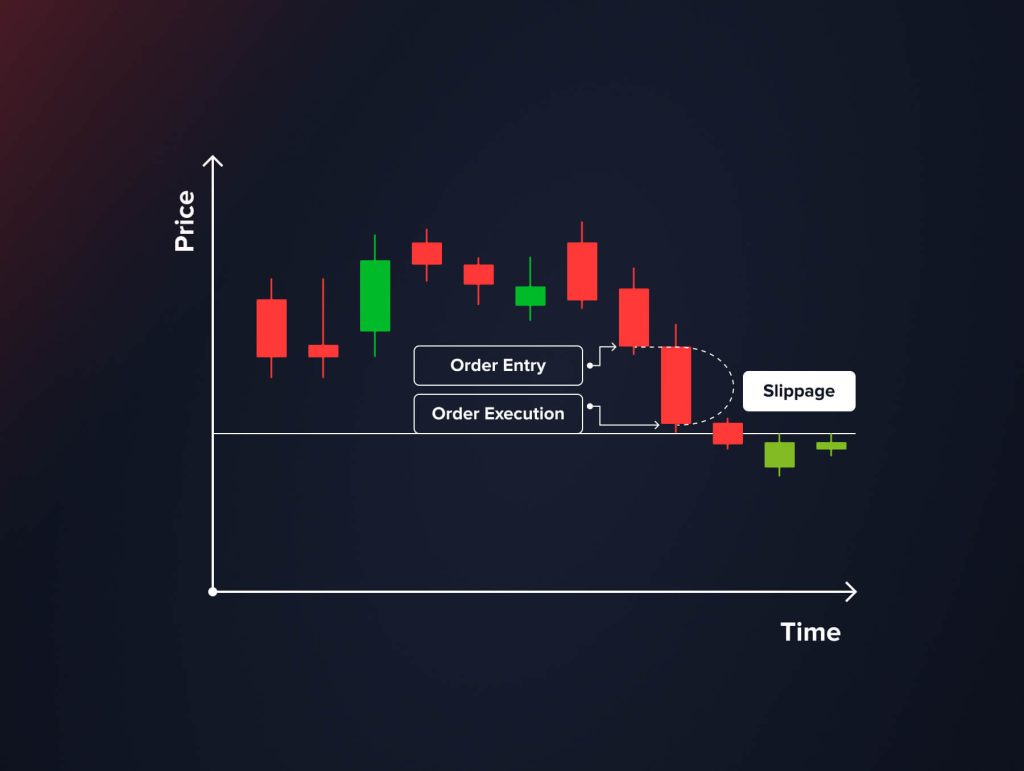
핵심적으로, 슬리피지는 예상 가격과 실제 실행 가격 사이의 간극입니다. 이 변동은 주문을 보내는 시점과 시장이 실제로 이를 처리하는 시점 사이의 작은 지연 때문에 발생합니다. 빠르게 움직이는 시장에서는 가격이 그 순간의 일부분에서 흔들리고 뛰어오를 수 있으므로, 최종 체결 가격이 화면에서 본 것과 일치하지 않을 수 있습니다.
동전의 두 면
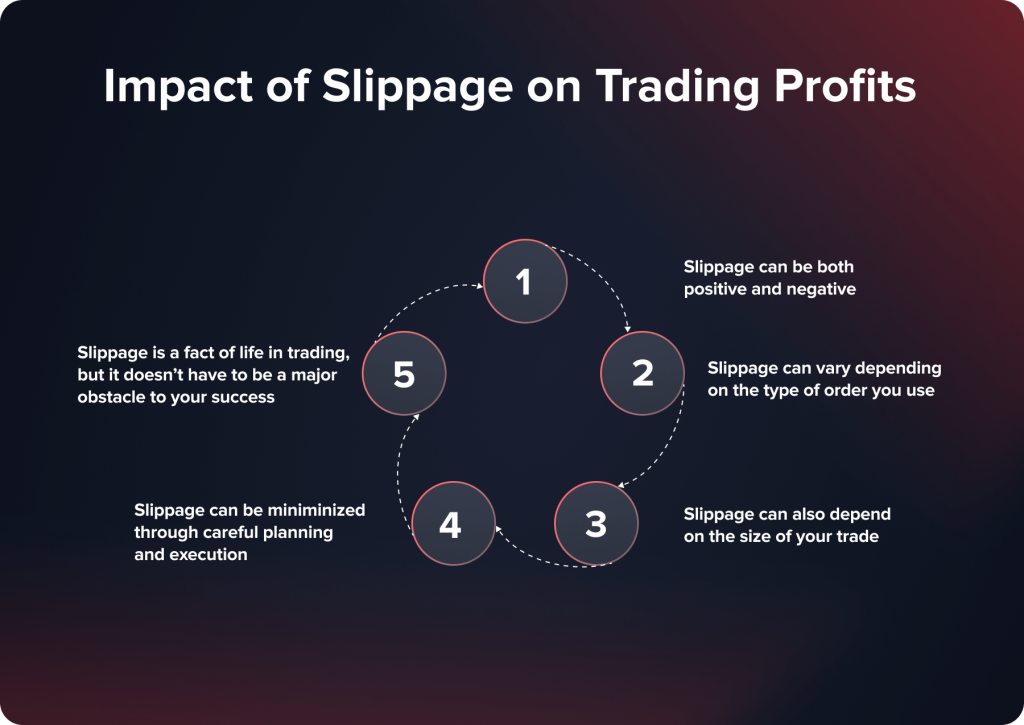
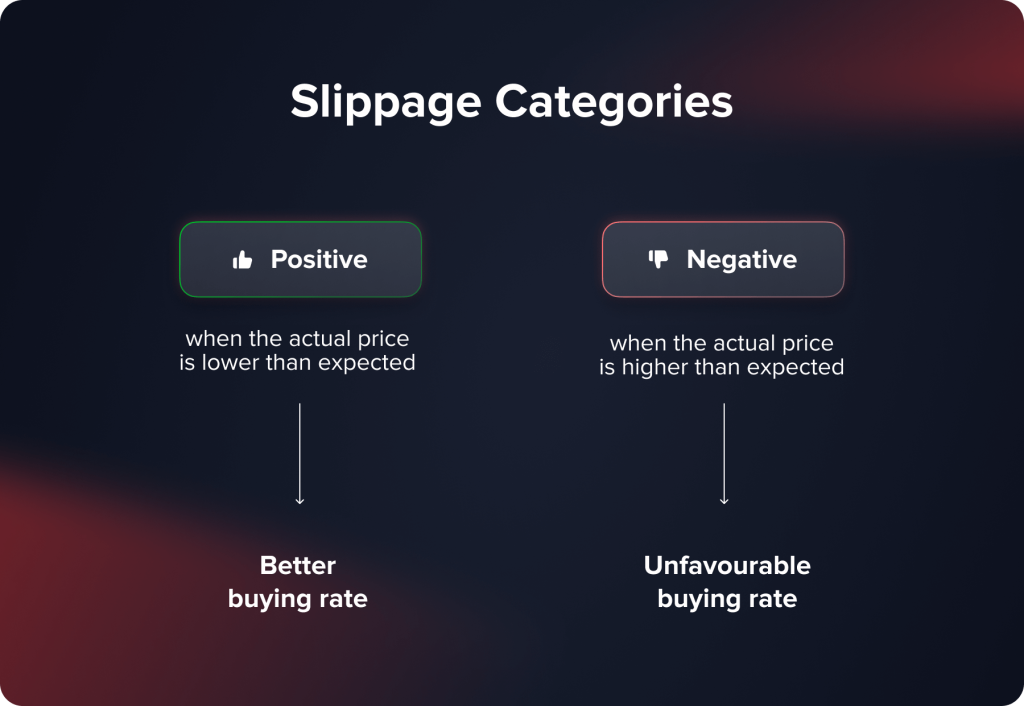
대부분의 사람들은 슬리피지를 부정적인 것으로 이야기하지만, 사실 그것은 양쪽 모두에 작용합니다:
긍정적인 슬리피지: 이것은 기분 좋은 놀라움입니다. 거래가 예상보다 더 좋은 가격에 실행될 때 발생합니다. 이는 구매 주문에서 계획한 것보다 적게 지출하거나 판매에서 생각했던 것보다 조금 더 많은 수익을 올리는 것을 의미합니다. 포트폴리오에 대한 작은 승리입니다.
부정적인 슬리피지: 이것은 우리가 피하려고 하는 것입니다. 시장이 눈 깜짝할 사이에 당신에게 불리하게 움직일 때 발생하며, 나쁜 가격으로 체결됩니다. 자산을 구매할 때 더 많은 비용을 지불하거나 판매할 때 더 적은 금액을 받게 되어, 이는 당신의 잠재적 이익을 직접적으로 줄입니다.
실제 사례 연습: 전문가 통찰
스프레드의 “그림자” “많은 소매 트레이더들은 차트에 표시된 ‘마지막 가격’만을 집중하지만, 슬리피지는 실제로 ‘스프레드’ – 매도와 매수 사이의 간격에서 발생합니다. 조용한 시장에서는 그 간격이 좁습니다. 그러나 뉴스가 발표되는 순간, 시장 조성자들은 자신을 보호하기 위해 주문을 철회하고, 그로 인해 스프레드가 즉시 넓어집니다. 스프레드가 넓을 때 시장가 주문을 하면, 본질적으로 대규모 슬리피지를 자원하시는 것입니다.”
변동성이 큰 시장에서의 슬리피지
변동성이 시장의 엔진이라면, 슬리피지는 그것이 만들어내는 마찰입니다. 두 가지는 기본적으로 분리할 수 없습니다. 시장이 빠르게 움직이기 시작하면, 가격 사이의 간격이 더 넓어지고 훨씬 더 뚜렷해집니다.
이것은 일반적으로 시장이 큰 사건에 반응할 때 발생합니다 – 아마도 예상치 못한 경제 보고서, 주요 글로벌 이벤트, 또는 단순히 트레이더 심리의 갑작스러운 변화일 수 있습니다. 이러한 “감정적 변동”은 가격이 너무 빠르게 앞뒤로 흔들리게 하여 슬리피지가 단순히 더 가능성이 높아지는 것이 아니라, 더 심각해지게 만듭니다.
이러한 고압적인 순간에는 실제로 얻는 가격이 화면에서 보고 있던 가격과는 거리가 멀 수 있습니다. 이로 인해 거래에 진입하는 것이나 더 중요하게는 정말 필요할 때 거래에서 빠져나오는 것이 매우 까다로워집니다.
가격의 끊임없는 변동은 슬리피지가 발생하는 또 다른 이유입니다. 시장은 다양한 변수가 자산 가격에 지속적으로 영향을 미치는 살아있는 환경입니다. 이러한 유동성 때문에 슬리피지는 항상 가능성이 있습니다 – 상황이 상대적으로 차분해 보일 때조차도. 가격을 확인하고 버튼을 누를 때쯤이면, 시장은 이미 다음 숫자로 이동했을 수 있습니다.
결국 슬리피지는 거래 게임의 정상적인 일부분일 뿐입니다. 그것은 위험을 동반하지만, 때때로 당신에게 유리하게 작용할 수도 있습니다. 어쨌든, 그것의 메커니즘을 정말로 이해해야 합니다. 왜냐하면 그것은 당신의 최종 결과와 전반적인 전략의 성과에 직접적인 영향을 미치기 때문입니다.
이제 슬리피지를 유발하는 특정 요소를 살펴보고 다양한 시장 시나리오에서 이를 어떻게 극복할 수 있는지 살펴보겠습니다.
당신은 또한 좋아할 수 있습니다
Trading
Demetris Makrides
January 30, 2026
40 분
50 차트 패턴과 거래 방법 (2026 가이드)
미끄러짐의 원인
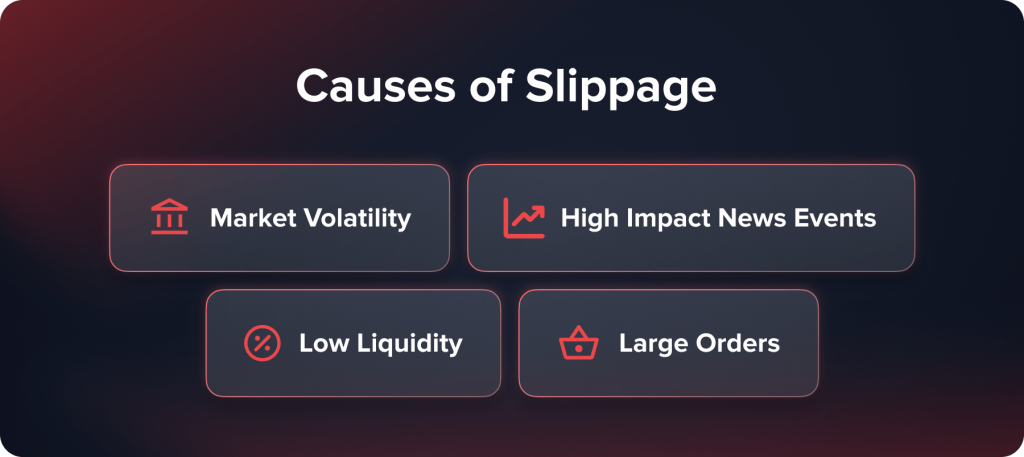
슬리피지를 유발하는 요인을 이해하는 것은 이를 극복하는 첫 번째 단계입니다. 모든 거래가 조금씩 다르지만, 일반적으로 이 네 가지 요인이 귀하의 체결 가격이 약간 “어긋나 보이는” 이유입니다.
시장 변동성
변동성은 본질적으로 가격 변동의 정도를 측정한 것입니다. 높은 변동성 시장에서는 가격이 단순히 움직이지 않고, 도약합니다. 이러한 급속한 변동은 주요 슬리ippage의 주요 원인입니다. 예를 들어, 혼란스러운 세션 동안 주식이나 통화 쌍을 거래하고 있다면, “구매”를 클릭하는 순간과 거래소가 실제로 거래를 처리하는 순간 사이에 가격이 상당히 변동할 수 있습니다.
높은 영향력의 뉴스 이벤트
시장은 정보를 갈망하며, 큰 뉴스가 발표될 때 – 새로운 경제 데이터, 정치적 변화, 또는 수익 보고서와 같은 – 그들은 빠르고 크게 반응합니다. 이러한 상황은 슬리피지의 “위험 구역”입니다. 경제 보고서가 예상보다 훨씬 강하게 나올 경우, 통화의 가치는 즉시 급등할 수 있습니다. 그러한 급등 동안 시스템에 대기 중인 주문이 있다면, 그것은 시작 가격에서 멀리 떨어진 가격으로 체결될 가능성이 높습니다.
저유동성
유동성을 시장의 혼잡함으로 생각해 보세요. 시장이 “유동적”이라면, 언제든지 사고팔 준비가 된 사람들이 많습니다. “얇은” 또는 유동성이 없는 시장에서는 참여자가 충분하지 않습니다. 주문을 했지만 특정 가격에 대한 관심이 충분하지 않다면, 시스템은 거래할 다음 사용자를 찾으러 가야 합니다 – 종종 훨씬 나쁜 가격으로.
대량 주문
규모가 중요합니다. 대량의 자본을 이동하려고 한다면 현재 가격에서 사용 가능한 모든 주문을 문자 그대로 “소비”할 수 있습니다. 일단 그것들이 사라지면, 나머지 주문은 다음 수준에서 채워져야 하고, 그 이후 수준에서도 채워져야 합니다. 이는 단일 대규모 거래가 가격을 물리적으로 올리거나 내리기에 충분할 수 있는 작은 시장에서 특히 흔합니다.
다양한 시장에서의 슬리피지
슬ippage는 트레이더에게는 그냥 삶의 사실이지만, 금융 세계의 모든 구석에서 똑같이 보이지는 않습니다. 각 시장은 고유한 “개성”과 규칙 세트를 가지고 있으며, 이는 거래하는 품목에 따라 가격이 급등하는 방식이 크게 달라질 수 있음을 의미합니다.
외환 시장은 유동성이 뛰어나고 변동성이 낮기로 유명하여 슬리피지가 종종 더 낮습니다. 그러나 주식 시장은
주식 세계에서 슬리피지는 고위험 뉴스 사이클이나 변동성이 급증할 때 자주 발생하는 현상입니다. 일반적으로 “소형주”에 가장 큰 영향을 미치는데, 이는 거래되는 주식이 적은 작은 기업들입니다. 구매자와 판매자가 지속적으로 존재하지 않기 때문에 예상 가격과 실제 체결 가격 사이의 차이가 상당히 커질 수 있습니다. 특히 “시장 개장”과 “시장 마감” 시간 동안 이 현상이 두드러지는데, 이 시간대는 거래일 중 가장 혼란스러운 시기로 악명 높습니다.
외환(FX) 시장
외환 시장은 일반적으로 거래하기에 “가장 원활한” 장소입니다. 왜냐하면 이곳은 믿을 수 없을 만큼 유동성이 풍부하기 때문입니다. 매일 수조 달러가 이동하기 때문에, 일반적으로 원하는 가격에 정확히 진입하고 퇴장할 수 있습니다. 그러나 이러한 거대 시장조차 면역이 없습니다. 주요 경제 보고서가 발표되거나 중앙은행이 예기치 않은 발표를 할 때, 가격은 너무 빠르게 “갭”이 발생하거나 급등할 수 있으며, 심지어 최고의 시스템조차도 상당한 슬리피지를 경험할 수 있습니다. 외환 거래자는 이러한 시간 동안 기민하게 행동하여 갑작스러운 가격 진공에 휘말리지 않도록 해야 합니다.
암호화폐 시장
외환 시장이 가장 원활한 시장이라면, 암호화폐 시장은 종종 “가장 거칠다”고 할 수 있습니다. 이 공간은 변동성이 크고 때로는 깊은 유동성이 부족한 것으로 알려져 있습니다. 이는 특히 새로운 “알트코인”이나 주요 산업 변화 사건이 발생할 때 더욱 그렇습니다. 암호화폐 시장은 24시간 내내 빠르게 움직이기 때문에, 진입 및 청산 지점을 신중하게 계산해야 합니다. 주의를 기울이지 않으면, 여기서의 슬ippage는 몇 초 만에 승리한 거래를 패배로 바꿀 수 있습니다.
마무리하기
결국, 성공적인 거래는 준비에 관한 것입니다. 시장 거래량, 주문 크기, 뉴스 이벤트의 시기와 같은 변수를 이해해야 미리 계획할 수 있습니다. 특정 시장에서 슬리피지가 어떻게 작용하는지 알면 자본을 보호하고 거래 비용이 통제 불능으로 치솟는 불만을 피할 수 있습니다.
슬리피지의 수학: 실용적인 예
슬리피지가 이익을 얼마나 잠식하는지 시각화하기 위해, 고변동성 주식의 시장 주문 시나리오를 살펴보겠습니다.
상황:
예상 가격: $150.00
주문 크기: 500주
실제 실행 가격: $150.15
계산:
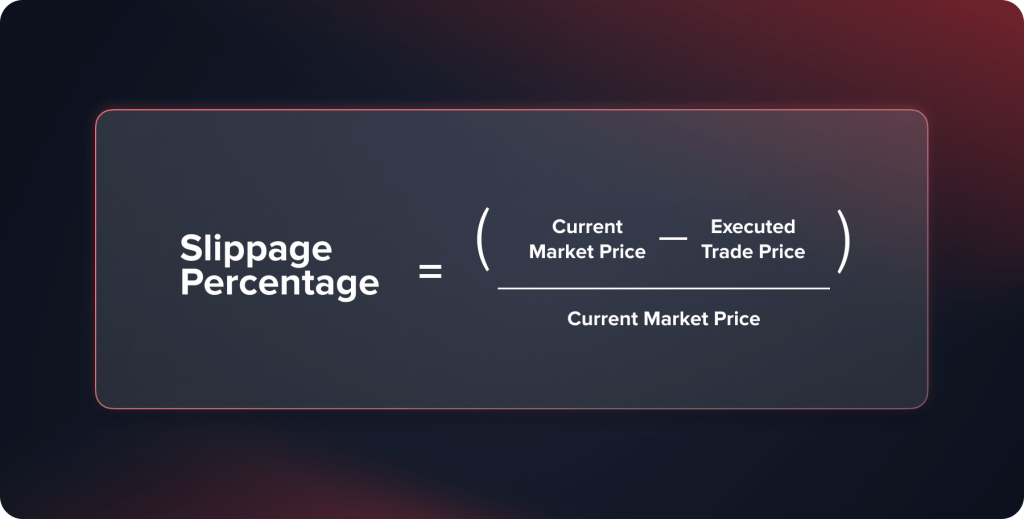
슬리피지 = (실제 \ 가격 – 예상 \ 가격) \ 수량
(150.15 – 150.00) \ 500 = $75.00
결과: 가격 차이가 단 15센트에 불과했음에도 불구하고, 트레이더는 거래가 시작되기 전에 잠재적인 이익 또는 구매력으로 $75.00을 잃었습니다.
슬리피지의 거래자에 대한 영향
슬리피지는 단순한 기술적 결함이 아닙니다. 그것은 당신의 자산과 마음가짐에 실제적인 영향을 미칩니다. 주문이 거래소에 도달할 때 시장이 어떻게 움직이는지에 따라, 그것은 짜증나는 숨겨진 세금이 될 수도 있고, 행운의 보너스가 될 수도 있습니다.
슬리피지의 부정적인 영향
가장 명백한 문제는 “예상치 못한 손실”입니다. 이는 시장이 주문을 처리할 수 있는 것보다 빠르게 당신에게 불리하게 움직일 때 발생합니다. 예를 들어, 빠르게 상승하는 주식을 구매하려고 할 때, 계획한 것보다 훨씬 더 많은 금액을 지불하게 될 수 있습니다. 만약 당신이 데이 트레이더이거나 모든 센트가 중요한 변동성이 큰 시장에서 일하는 사람이라면, 이러한 작은 차이들이 시간이 지남에 따라 많은 자본 손실로 이어질 수 있습니다.
슬리피지는 잘 계획된 계획을 완전히 무너뜨릴 수도 있습니다. 완벽한 진입 및 청산 포인트를 연구하는 데 몇 시간을 보낼 수 있지만, 슬리피지가 덜 이상적인 가격에 포지션을 강제로 잡게 만들 수 있습니다. 이것은 “스캘퍼”에게 악몽과 같습니다. 스캘퍼는 수십 개의 빠른 거래에서 작은 이익을 얻으려는 트레이더입니다. 전략이 $0.05의 변동을 포착하는 데 의존할 때, 진입 시 $0.02의 슬리피지는 시작하기도 전에 잠재적 이익의 거의 절반을 효과적으로 날려버릴 수 있습니다.
슬리피지의 긍정적인 영향
하지만 모든 것이 나쁜 소식은 아닙니다. 가끔 시장의 신이 당신에게 미소를 지으며 긍정적인 슬리피지를 경험하게 됩니다. 이것은 당신의 거래가 예상했던 것보다 더 좋은 가격으로 실행될 때 발생합니다.
환율 쌍을 판매하기 위해 주문을 넣었다고 상상해 보세요. 그리고 그것이 체결되기 직전의 찰나에 가격이 상승합니다. 결국 당신은 요청한 것보다 더 높은 가격에 판매하게 됩니다. 이것은 운이 좋은 것처럼 느껴지지만, 일반적으로 빠른 실행 속도를 가진 고활동 시장에서 거래한 결과입니다.
실제 사례: 전문가 인사이트
“트레이더는 종종 슬리피지의 재정적 비용에 집중하지만, 심리적 비용도 그만큼 높습니다. 나쁜 체결을 받으면 시장에 의해 ‘속았다’고 느끼기 쉬워서 복수 거래를 하거나 확고한 전략을 포기하게 됩니다. 저는 학생들에게 그들의 수학에 ‘슬리피지 버퍼’를 고려하라고 말합니다. 만약 당신의 전략이 제로 슬리피지에서만 작동한다면, 그것은 전략이 아닙니다 – 그것은 환상입니다.”
슬리피지를 최소화하기 위한 전략
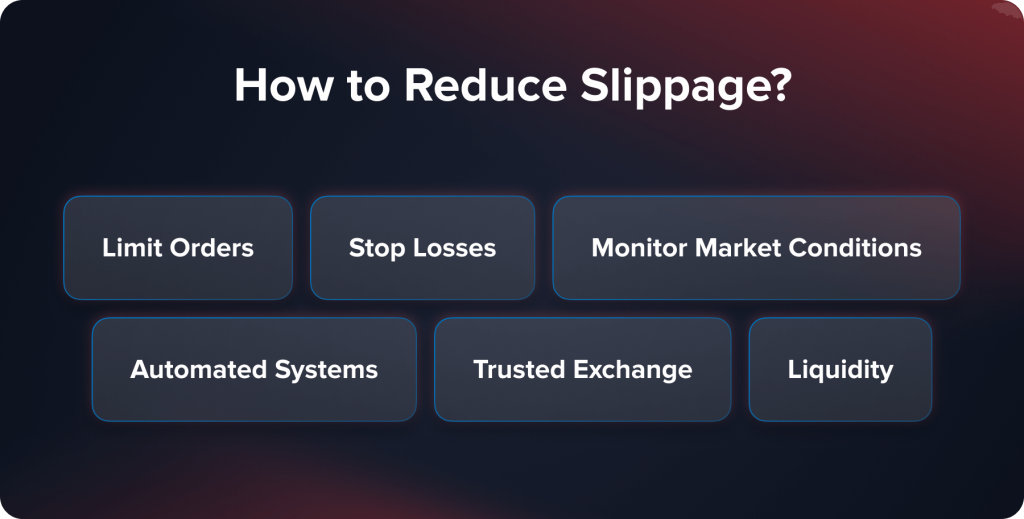
장기적으로 거래 게임에 남고 싶다면 슬리피지를 제어하는 방법을 배워야 합니다. 시장의 움직임을 막을 수는 없지만, 시장과의 상호작용 방식을 확실히 변경할 수 있습니다. 계정을 보호하는 가장 좋은 방법은 다음과 같습니다.
모든 주문이 동일하게 만들어지는 것은 아닙니다. 작업에 적합한 “도구”를 선택하는 것이 당신의 첫 번째 방어선입니다.
시장 주문: * 위험:극단적. 당신은 중개인에게 “어떤 가격이든 나를 진입시켜라.”라고 말하고 있습니다. 빠르게 움직이는 시장에서는 이는 큰 부정적 슬리피지를 초래할 수 있습니다.
지정가 주문: * 위험:제로. 최대 가격을 설정합니다. 시장이 이를 넘어가면 거래가 체결되지 않습니다.
손절매 주문: * 위험:높음. 당신의 손절가가 도달하면, 주문은 시장가 주문으로 변환됩니다. 주식이 하룻밤 사이에 “갭 다운”되면, 당신의 손절매가 의도한 것보다 훨씬 낮은 가격에서 실행될 수 있습니다.
고도로 유동적인 시장에서의 거래
슬리피지를 피하는 가장 쉬운 방법 중 하나는 사람들이 몰리는 곳에서 거래하는 것입니다. “고유동성” 시장에서는 구매자와 판매자가 너무 많아 귀하의 주문이 일반적으로 보이는 가격에서 즉시 체결됩니다.
외환 거래 시: EUR/USD 또는 USD/JPY와 같은 주요 통화 쌍에 집중하세요. 이들은 하루에 엄청난 거래량을 보이며, 슬리피지를 최소화합니다.
주식에서: “블루칩” 기업, 즉 유명한 대기업들을 살펴보세요. 이들은 “소형주” 주식보다 훨씬 안전합니다. 소형주에서는 단 한 번의 거래로 가격이 급등할 수 있습니다.
당신은 또한 좋아할 수 있습니다
Trading
Iva Kalatozishvili
October 18, 2024
8 분
최고의 데이 트레이딩 지표 사용하기
제한 주문 사용하기
지정가 주문은 본질적으로 당신이 입장을 고수하는 것입니다. “지금 이 가격에 사라”고 말하는 대신, 브로커에게 당신이 지불할 의사가 있는 최대 금액(또는 판매를 위해 수용할 최소 금액)을 정확히 알려줍니다.
이것은 거래가 확인될 때 끔찍한 놀라움을 겪지 않도록 보장합니다. 유일한 단점은 시장이 너무 빨리 움직여서 당신의 가격에 도달하지 않으면 거래가 이루어지지 않는다는 것입니다. 그러나 대부분의 전문가들은 거래를 놓치는 것이 즉시 손실을 초래하는 형편없는 체결을 받는 것보다 낫다고 동의합니다.
중요한 뉴스 발표 중 거래 피하기
시장은 주요 뉴스 이벤트 동안 믿을 수 없을 만큼 “점프”합니다 – 중앙은행 발표, 고용 보고서 또는 주요 정치적 변화 등을 생각해 보세요. 이러한 시기에는 가격이 귀하의 주문을 완전히 넘어跳할 수 있습니다. 금융 캘린더를 확인하고 이러한 보고서가 발표되는 시점에 거래를 피하면 슬리피지에 대한 가장 위험한 시간대를 피할 수 있습니다. 모든 것은 타이밍에 관한 것입니다; 때때로 가장 좋은 거래는 혼란스러운 급등 중에 하지 않는 거래입니다.
전문 팁: “슬리피지 허용치” 설정
Uniswap과 같은 분산형 거래소(DEX)에서 거래하거나 최신 중개 앱을 이용하는 경우, 슬리피지 허용치 설정을 찾으세요. 이를 통해 백분율(예: 0.5%)을 설정할 수 있습니다. 실행 가격이 화면에서 보는 가격보다 0.5% 이상 변동하면 시스템은 자동으로 거래를 취소하여 사용자를 보호합니다.
실제 사용 사례: 슬리피지를 기대할 수 있는 시점
시나리오
왜 이런 일이 발생하는가
심각도
플래시 크래시
구매자의 갑작스러운 사라짐으로 인해 가격이 몇 초 만에 폭락합니다.
심각: 가격이 밀리세컨드 내에 5–10% 하락할 수 있습니다.
수익 갭
회사가 시장이 닫힌 후 이익을 보고합니다. 가격이 당신의 대기 주문을 넘어 “점프”합니다.
중간에서 높음: 개별 주식에서 자주 발생합니다.
금요일 마감
트레이더들이 주말 전에 포지션을 정리하면서 유동성이 줄어듭니다.
낮음에서 중간: 외환 시장에서 흔히 발생합니다.
저가 암호화폐
트레이더가 현재 가격에서 “구매” 관심이 $2,000인 코인을 $10,000에 팔려고 합니다.
높음: 주문이 주문서를 통해 가격을 낮추면서 “소진”됩니다.
슬리피지 대 스프레드: 간단한 비교
많은 초보 트레이더들이 슬리피지를 매도-매수 스프레드와 혼동합니다. 두 가지 모두 거래 비용을 나타내지만, 본질적으로 다릅니다.
특징
매도-매수 스프레드
슬리피지
정의
최고 매수 가격과 최저 매도 가격의 차이.
요청한 가격과 실제 실행 가격의 차이.
예측 가능성
보통 조용한 시장에서는 고정되거나 안정적이다.
예측할 수 없다; 거래의 “지연” 동안 발생한다.
제어
“구매”를 클릭하기 전에 볼 수 있다.
거래가 실행된 후에만 볼 수 있다.
방향
항상 비용(부정적)이다.
부정적일 수도 있고 긍정적일 수도 있다.
슬리피지 관리 체크리스트
다음 거래를 하기 전에, 위험을 최소화하기 위해 이 빠른 감사를 실행하세요:
시장 운영 시간: 이 자산의 주요 거래소가 현재 열려 있습니까? (“장외” 또는 “장전”은 피하세요).
유동성 체크: 나는 “블루 칩” 자산을 거래하고 있습니까, 아니면 저거래량의 “펜니 주식/알트코인”을 거래하고 있습니까?
뉴스 일정: 다음 30분 내에 주요 경제 보고서(NFP, CPI, 수익)가 예정되어 있나요?
주문 유형: 가능한 경우 시장 주문 대신 지정가 주문 을 사용했나요?
허용 오차 설정: DEX에서 내 슬ippage 허용 오차가 합리적인 수준(보통 0.1%에서 1% 사이)으로 설정되어 있습니까?
결론
성공적인 트레이더가 되려면 가격이 항상 움직이고 있다는 사실을 존중해야 합니다. 주식, 암호화폐 또는 외환에 관계없이 슬리피지를 관리하는 것은 올바른 방향을 선택하는 것만큼 중요합니다.
유동성이 있는 시장에 집중하고, 지정가 주문을 사용하며, 타이밍에 대해 스마트하게 접근함으로써, 그 frustrating hidden costs를 줄일 수 있습니다. 슬리피지를 완전히 없앨 수는 없지만, 이를 어떻게 관리하는지 이해하게 되면, 거래는 훨씬 더 예측 가능해지고 궁극적으로 더 수익성이 높아질 것입니다.
FAQ
슬리피지는 내 중개인이 사기인 건가요?
대부분의 경우, 그렇지 않습니다. 슬리피지는 낮은 유동성 또는 높은 변동성으로 인해 발생하는 자연스러운 시장 현상입니다. 그러나 특정 브로커와 함께 일관되게 상당한 부정 슬리피지를 경험한다면—조용하고 유동적인 시장에서도—이는 불량한 실행 기술 또는 \"비윤리적\" 가격 인상에 대한 신호일 수 있습니다. 항상 규제된 신뢰할 수 있는 브로커를 사용하여 공정한 실행을 보장하십시오.
Can I set a \"maximum\" slippage I’m willing to accept?
네, 많은 현대 거래 플랫폼과 탈중앙화 거래소(DEX)에는 슬ippage 허용치 설정이 있습니다. 예를 들어, 허용치를 0.5%로 설정하면, 플랫폼은 실행 전에 가격이 요청한 가격에서 0.5% 이상 이동하면 거래를 자동으로 취소합니다.
슬ippage가 지정가 주문에 영향을 미치나요?
일반적으로 아닙니다. 지정가 주문은 귀하의 가격 또는 그보다 나은 가격에서만 구매하라는 지시입니다. 만약 시장이 귀하의 지정가를 넘어 \"갭\"할 경우, 주문은 단순히 체결되지 않습니다. 이는 슬리피지로부터 귀하를 보호하지만, 시장이 너무 빠르게 귀하로부터 멀어질 경우 거래를 완전히 놓칠 위험을 초래합니다.
Why is slippage so much worse in Cryptocurrency?
Crypto markets often have \"thinner\" order books compared to major stock or forex markets. Because there are fewer buyers and sellers at every price level, a single large order can \"eat through\" the available supply, forcing the rest of the order to fill at much higher or lower prices. This is especially common on decentralized exchanges (DEXs) like Uniswap.
슬리피지가 손절매에서 발생할 수 있나요?
네, 그리고 여기에서 가장 위험합니다. 표준 손절매는 귀하의 트리거 가격이 도달하는 순간 시장 주문으로 전환됩니다. 주식이 밤새 \"갭 다운\"할 경우(예: $50에 마감하지만 $40에 개장하는 경우), $48로 설정한 손절매는 $40에서 실행되어 계획보다 훨씬 큰 손실을 초래합니다. 해결책: 중개인이 제공하는 경우 \"보장된 손절매\"를 사용하세요(보통 소정의 수수료가 부과됨) 귀하의 정확한 가격에서 실행되는 것을 보장합니다.
\"Positive Slippage\"는 실제로 존재합니까?
네! 트레이더들이 보통 부정적인 슬리피지에 대해 불평할 때, 긍정적인 슬리피지는 주문을 처리하는 데 걸리는 순간에 시장이 당신에게 유리하게 움직일 때 발생합니다. 예: 당신이 $10.00에 \"구매\"를 클릭하지만, 그 정확한 순간에 갑작스러운 판매자 유입이 가격을 $9.98로 밀어냅니다. 만약 당신의 중개인이 그 개선을 당신에게 전달한다면, 당신은 긍정적인 슬리피지를 경험한 것입니다.

 Trading